
A youth group fundraiser is more than just an activity to raise money. It is a powerful tool for teaching responsibility, leadership, teamwork, and social awareness. When young people come together with a shared goal, fundraising becomes a meaningful experience that goes far beyond collecting donations.
Youth group fundraisers help support trips, events, charity programs, education, and community outreach. At the same time, they give young participants the chance to develop life skills that will stay with them long after the fundraiser ends.
This article explores what makes youth group fundraising effective, why it matters, and how it can be organized successfully. Written in clear, natural English, this guide is designed to be SEO-friendly, engaging, and fully compliant with Google AdSense standards.
What Is a Youth Group Fundraiser?
A youth group fundraiser is an organized effort by a group of young people to raise money for a specific purpose. The purpose may include supporting group activities, funding trips, helping a charitable cause, or improving community programs.
Youth fundraisers are commonly organized by schools, churches, sports teams, clubs, and community organizations. They often involve creative activities that encourage participation, teamwork, and engagement.
Unlike professional fundraising campaigns, youth group fundraisers focus heavily on learning, participation, and personal growth.
Why Youth Group Fundraisers Matter
Youth group fundraisers play an important role in both personal development and community building. They allow young people to contribute actively rather than passively receiving support.
Through fundraising, youth learn the value of effort, commitment, and accountability. They see firsthand how collective action can create real results.
Fundraisers also strengthen the bond between youth groups and their communities, building trust and mutual support.
Teaching Responsibility Through Fundraising
One of the greatest benefits of a youth group fundraiser is teaching responsibility. Participants are given tasks, deadlines, and goals.
They learn that success depends on preparation, consistency, and follow-through. These lessons apply not only to fundraising but also to school, work, and personal life.
Responsibility gained through experience is often more impactful than lessons taught in theory.
Leadership Development in Youth Fundraising
Youth fundraisers provide opportunities for leadership. Group members may take on roles such as team leader, organizer, treasurer, or promoter.
These roles help young people practice decision-making, communication, and problem-solving. Leadership is learned through action, not instruction alone.
Fundraising creates a safe environment for youth to lead and learn from mistakes.
Building Teamwork and Cooperation
Successful youth group fundraisers rely on teamwork. Every participant plays a role, whether large or small.
Working together teaches cooperation, respect, and shared responsibility. Youth learn that individual effort contributes to group success.
This sense of teamwork often strengthens friendships and group unity.
Strengthening Community Connections
Youth fundraisers bring groups into direct contact with their communities. Whether selling items, hosting events, or organizing activities, youth interact with supporters face-to-face.
These interactions help break down barriers between generations and build mutual understanding.
Community members often feel proud to support youth-led initiatives.
Choosing the Right Fundraising Goal
A clear goal is essential for any youth group fundraiser. Goals may include raising a specific amount of money or supporting a particular cause.
When youth understand why they are fundraising, they feel more motivated and engaged. Purpose gives meaning to effort.
Goals should be realistic, measurable, and aligned with group values.
Age-Appropriate Fundraising Activities
Youth group fundraisers should be age-appropriate. Younger participants may focus on simple, supervised activities, while older youth can handle more responsibility.
Choosing activities that match participants’ abilities ensures safety and enjoyment.
Age-appropriate planning increases confidence and success.
Popular Youth Group Fundraiser Ideas
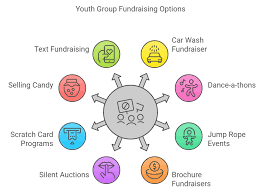
There are many fundraising ideas suitable for youth groups. Common options include bake sales, car washes, fun runs, talent shows, and product sales.
Other ideas include community service-based fundraising, such as sponsored clean-ups or charity challenges.
The best ideas are engaging, affordable, and easy to organize.
Creativity in Youth Fundraising
Creativity is a major strength of youth groups. Young people often bring fresh ideas and energy to fundraising.
Encouraging creativity helps youth feel ownership over the fundraiser. Unique ideas also attract more attention and support.
Creativity turns fundraising into an enjoyable experience.
The Role of Adult Guidance
While youth should lead fundraisers, adult guidance is essential. Adults provide structure, safety, and experience.
Supportive guidance helps youth stay organized without taking control away from them.
The goal is mentorship, not management.
Planning a Successful Youth Group Fundraiser
Planning is the foundation of success. A clear plan includes goals, roles, timelines, and resources.
Youth should be involved in planning to build ownership and understanding.
Good planning reduces stress and increases confidence.
Budgeting and Financial Awareness
Youth fundraisers offer an excellent opportunity to teach basic financial skills. Budgeting, tracking expenses, and managing funds are valuable lessons.
Transparency and accountability are important. Youth should understand how money is collected and used.
These skills promote trust and responsibility.
Promoting the Fundraiser
Promotion is essential for fundraising success. Youth can use posters, social media, word-of-mouth, and community announcements.
Learning how to communicate clearly and respectfully is part of the process.
Promotion teaches marketing and communication skills in a practical way.
Social Media and Youth Fundraising
Social media plays a major role in modern youth fundraisers. Platforms allow youth to reach wider audiences quickly.
Responsible use of social media should be encouraged, with guidance on safety and professionalism.
Digital promotion increases visibility and engagement.
Fundraising Ethics and Integrity
Ethical fundraising is crucial, especially when involving youth. Honesty, transparency, and respect must guide all activities.
Supporters should know how funds will be used. Youth should learn the importance of trust.
Ethics build credibility and long-term support.
Safety Considerations in Youth Fundraising
Safety must always be a priority. Activities should be supervised, and risks should be minimized.
Clear guidelines help protect participants and supporters.
Safe fundraisers create positive experiences for everyone involved.
Learning from Challenges and Setbacks
Not every fundraiser will go perfectly. Weather, turnout, or planning issues may affect results.
Challenges are valuable learning opportunities. Youth learn resilience and problem-solving.
Reflection helps improve future efforts.
Measuring Fundraising Success
Success is not measured only by money raised. Participation, teamwork, and learning outcomes are equally important.
Evaluating both results and experiences provides a complete picture.
Youth benefit from understanding success in broader terms.
Celebrating Achievements
Celebration reinforces positive experiences. Recognizing effort and teamwork motivates youth.
Celebrations can be simple but meaningful.
Acknowledgment builds confidence and pride.
Youth Fundraising and Character Development
Fundraising shapes character. Youth learn empathy, perseverance, and social responsibility.
They see how their actions impact others.
These lessons contribute to personal growth.
Inclusivity in Youth Group Fundraisers
Inclusive fundraisers ensure all youth can participate regardless of background or ability.
Inclusivity strengthens group cohesion and fairness.
Every contribution matters.
Fundraising as a Learning Experience
Youth group fundraisers are educational experiences. They teach skills not always covered in classrooms.
Learning through action makes lessons memorable.
Education becomes practical and meaningful.
Long-Term Impact of Youth Fundraising
The impact of youth fundraising extends beyond immediate goals. Participants often carry these experiences into adulthood.
Many develop lifelong habits of volunteering and community involvement.
Fundraising becomes a foundation for civic engagement.
Encouraging Youth Ownership
When youth feel ownership, they invest more effort and creativity.
Ownership builds confidence and leadership.
Fundraisers become youth-driven rather than adult-directed.
Balancing Fun and Responsibility
Youth fundraisers should be enjoyable while maintaining responsibility.
Fun motivates participation, while structure ensures success.
Balance creates positive memories.
Adapting Fundraisers to Different Communities
Each community is unique. Successful youth fundraisers adapt to local culture and resources.
Flexibility increases relevance and support.
Local awareness strengthens impact.
The Role of Reflection After the Fundraiser
Reflection helps youth understand what worked and what didn’t.
Group discussions encourage learning and growth.
Reflection turns experience into insight.
Youth Group Fundraisers in the Digital Age
Technology has expanded fundraising possibilities. Online donations and virtual events increase reach.
Youth are often comfortable with digital tools, making them powerful assets.
Technology supports creativity and efficiency.
Teaching Gratitude and Appreciation
Thanking supporters is an important part of fundraising. Gratitude builds lasting relationships.
Youth learn humility and appreciation.
Simple thank-you messages make a big difference.
Building Confidence Through Fundraising
Successfully completing a fundraiser boosts confidence. Youth see what they can achieve together.
Confidence encourages future participation and leadership.
Achievement builds self-belief.
The Broader Purpose of Youth Fundraising
Beyond money, youth fundraising builds community, character, and connection.
It teaches young people that they can make a difference.
This realization is powerful and lasting.
Final Thoughts on Youth Group Fundraisers
A youth group fundraiser is more than a financial effort. It is a journey of learning, growth, and community engagement.
Through fundraising, young people develop skills, confidence, and values that shape their future.
When supported thoughtfully, youth fundraisers become meaningful experiences that benefit individuals, groups, and communities alike.
In empowering youth to fundraise, we empower them to lead, serve, and grow.
Summary:
Everybody wants easy fundraisers. The problem is that you also want good results. So, how do you get the best results
from an easy fundraiser?
Keywords:
fundraiser,fundraisers,fundraising,youth group fundraiser,youth group fundraising,easy fundraisers
Article Body:
Everybody wants easy fundraisers. The problem is that you also want good results. So, how do you get the best results
from an easy fundraiser?
Three things to consider in evaluating easy fundraisers:
Effort Involved
Resources Needed
Duration of Fundraiser
EFFORT INVOLVED
An easy fundraiser shouldn’t take a lot of effort, but let’s be honest. It is going to take SOME effort.
The level of effort is often directly proportional to the size of your group’s monetary goal, but not always. That’s why you are considering an easy fundraiser in the first place – you’re looking for less effort, not more.
RESOURCES NEEDED
Resources are always a problem in small group fundraising. You can never have too many volunteers and you usually never have enough.
For an easy fundraiser, you want programs that don’t require an excessive time commitment from a large number of people.
You want either a single weekend-only activity or a program that takes only a small amount of time each week. It’s easier to get people to help with something that doesn’t require more than a two-hour commitment from them.
Conserve your resources with an easy fundraiser and you’ll have more folks to draw on later when you really need help.
DURATION OF FUNDRAISER
Duration is important. An easy fundraiser that lasts more than a single weekend should not require a lot of attention to keep it productive.
Those that only last a single day or weekend shouldn’t require a tremendous amount of prep time.
So, which easy fundraisers only take a little effort, few resources, and have the right duration?
Three simple easy fundraisers:
Printer cartridge recycling program
Onsite or Online Yard Sale
Seasonal Specialty Item Sale
Recycling Program
A recycling program for collecting used printer cartridges costs nothing to put together. All collection boxes and shipping needs are covered by the supplier. We recommend FundingFactory.
Your effort involves finding businesses to participate in the program, leaving pre-labeled boxes with a site representative, and providing directions on calling UPS to pick up a full box.
A used cartridge is worth between $1 and $20, depending on the popularity of the printer and the cost of a new cartridge. Many businesses encourage recycling efforts. For good prospects, check with the leasing manager of large office buildings that house multiple companies.
Another good location is an electronics store or office supply retailer. Customers often bring in their old cartridge when shopping for a replacement. You are doing the retailer a service by providing them with an environmentally safe way to dispose of these leftovers.
A good recycling program will cover a couple of dozen sites and not require much work after the initial placement. Over time, working this many sites can produce a considerable amount of funds for your group.
One good source for a complete turnkey cartridge recycling setup (at no cost to your group) is the Funding Factory. They recycle inkjet cartridges, laser cartridges, and old cell phones.
Mega Yard Sale
A big yard sale is another easy fundraiser to pull off. It’s short in duration, usually just a Saturday sale with some prep time the night before.
Choose a nice high-visibility location like a school or church parking lot. Advertise in the local paper and put up signs for the cagey veterans who troll around on Saturday mornings looking for bargains.
Group your items together by category – kids clothes, tools, toys, books, pictures, music, etc. Place general price signs around items instead of pricing everything individually.
For example, “$5-$10 Tools” or “Books: $1-$3” are signs that allow people to haggle and help you avoid putting price stickers on hundreds of items.
Resources are needed most for helping to sell. Recruit outgoing types who can be enthusiastic about these odds and ends. Make it a fun time with some helium balloons for small children and have coffee and doughnuts available for adults.
By grouping items together from multiple households, you create a bigger draw as well as a bigger workforce.
If you attract enough shoppers along with enough donations, you can raise as much as $500 per participating household.
Online Yard Sale
A variation on the yard sale fundraiser is to sell the items online. The best place to sell large quantities of lower-priced items is on eBay. You’ll get more for books, music, and consumer electronics that way.
Keep it in mind as a way to get better results on some items or as an easier fundraiser to do for very small groups.
You’ll need to spend some time creating the listings. Having online pictures posted seems to help with higher-priced items. All in all, it’s an easy fundraiser that produces results.
Specialty Item Sale
The third type of easy fundraiser is a weekend specialty sale of a seasonal item. Examples would be a Pumpkin Patch sale, a Christmas Tree sale, a Spring Flower Bulb fiesta, and so on.
This involves an effort similar to having a large yard sale. You’ll need a high-traffic location and some advance publicity. Your goal is to capture seasonal sales from the general public as well as those from within your group.
Avoid stretching these sales over more than one weekend or you’ll run into resource issues. Make it quick and keep it fun. Setup on a Friday, sell hard on Saturday, and wrap it up by Sunday afternoon.
Make arrangements ahead of time with your supplier about how to handle left over items. Source pumpkins from the local Farmer’s Market, Christmas trees from grower’s associations, and flower bulbs from national suppliers.
Be sure to price everything competitively and offer great customer service. For Christmas trees, have able bodies standing by to tie them down on vehicles.
For pumpkins, help place them in the trunk. The easier you make it for customers, the more you’ll net for your group.
Easy Fundraisers – Wrap-up
Putting together an easy fundraiser isn’t hard. It does take some effort and it does require resources, but nothing too difficult.
Give your group a helping hand by taking it easy.


Tinggalkan Balasan